


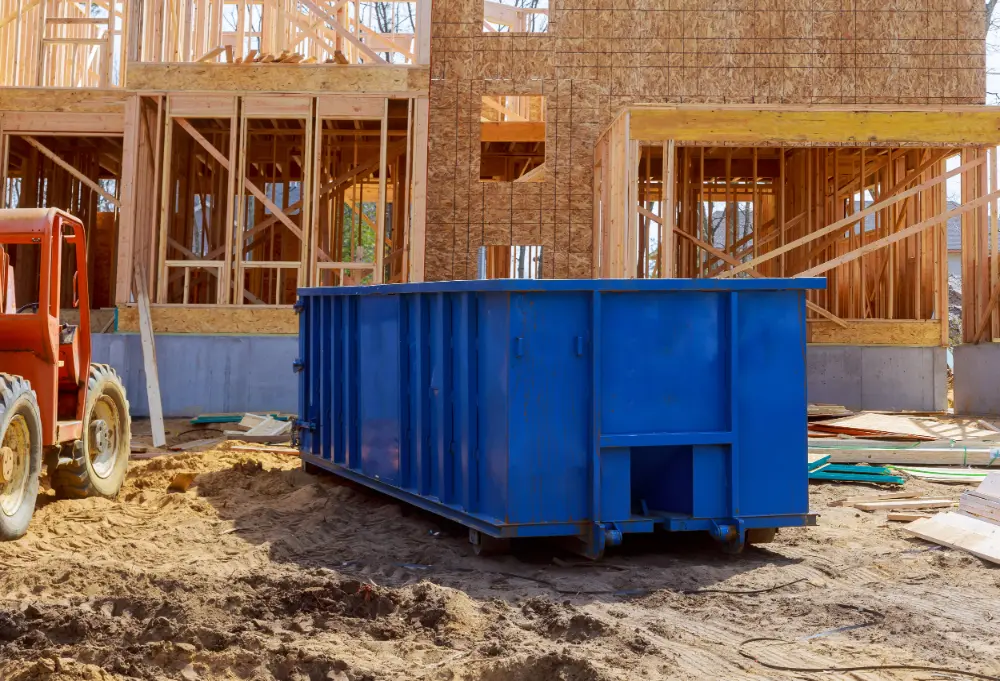
Most contractors and homeowners assume the process is straightforward: call a company, pick a dumpster rental size, and toss in debris. But the reality is that several avoidable mistakes tend to pop up repeatedly on job sites, costing project managers time, money, and unnecessary headaches.
Understanding what those mistakes are before you place your order can make the entire experience far smoother.
1. Choosing the Wrong Dumpster Size
One of the most costly errors people make with dumpster rental is selecting a container that does not match the actual volume of waste their project will generate. Go too small and you will find yourself paying for additional hauls or scrambling to find overflow disposal options mid-project. Go too large and you are spending more than necessary on a container that sits half-empty on your job site.
Construction projects vary wildly in terms of debris output. A bathroom remodel generates far less waste than a full kitchen gut or a structural addition. As a general reference, small renovation projects typically fit within a 10 to 15 cubic yard container, while medium-sized remodels often require 20 cubic yards. Large construction jobs, demolitions, or full-home renovations can easily call for 30 to 40 cubic yards of capacity.
The best approach is to talk through your project scope with your dumpster rental provider before committing to a size. Reputable companies will ask questions about the type of materials you are disposing of, the estimated square footage of the project, and the duration of the rental. Taking a few minutes to answer those questions honestly can save you a significant amount of money and prevent workflow interruptions.
2. Ignoring Local Permits and Placement Rules
A mistake that catches many people off guard is failing to check local permit requirements before scheduling a dumpster rental. If you plan to place the container on a public street, alley, or any area that falls under municipal jurisdiction, you may be legally required to obtain a permit first. Skipping this step can result in fines, forced removal of the dumpster, or project delays that set your timeline back by days.
Even when placing a dumpster on private property, there are often rules to follow. Homeowners associations may have restrictions on the size or placement of containers. City zoning ordinances sometimes limit how long a dumpster can remain on a residential property. If the dumpster sits on a driveway, you will want to use plywood boards underneath it to protect the surface from cracking or scratching under the weight.
Before your delivery date, call your local city or county office to confirm whether a permit is needed for your specific situation. Your dumpster rental company may also be familiar with local regulations and can help guide you through the process. Taking this step in advance prevents a lot of unnecessary friction once the project is underway.
3. Overloading the Dumpster or Disposing of Prohibited Materials
Filling a dumpster seems simple enough, but two of the most common and expensive mistakes happen right at the container itself. The first is overloading. Every dumpster has a fill line, and exceeding it is not just a guideline; it is a safety and legal requirement. Debris piled above the rim can shift during transport, creating hazardous conditions on the road. Most dumpster rental companies will either refuse to pick up an overloaded container or charge a significant overage fee.
The second mistake is disposing of materials that are prohibited by law or by the rental company’s terms. Construction sites generate a wide variety of waste, and not all of it belongs in a standard dumpster. Items like paint cans, solvents, motor oil, batteries, asbestos-containing materials, and certain adhesives are considered hazardous waste and require separate, specialized disposal. Tossing them into a general dumpster can expose you to fines and liability.
Before your crew begins loading debris, review the list of prohibited items with your dumpster rental provider. Some companies offer separate containers or guidance for disposing of hazardous materials properly. Being proactive about this not only keeps you legally compliant but also protects the workers on your site and the environment in your community.
4. Poor Timing and Scheduling Mistakes
Timing your dumpster rental poorly is another mistake that derails construction projects more often than people expect. Ordering a dumpster too early means it takes up valuable space on your job site before you are ready to use it, and you may be paying rental fees for days or even a week before any debris is generated. Ordering it too late means your crew has nowhere to put demolished materials while they wait for delivery, which slows down the entire workflow and sometimes creates safety hazards when debris piles up on the ground.
Think carefully about the phases of your construction project and identify when the bulk of waste removal will occur. For a full demolition job, you will want the dumpster on-site before any teardown begins. For a phased renovation, it may make more sense to schedule multiple shorter rentals timed to each phase rather than one long rental.
Also, be mindful of your pickup and swap-out scheduling. If the dumpster fills up faster than expected and you need an early pickup or an additional container, last-minute requests can sometimes be accommodated, but they may come with extra fees or delays depending on the company’s availability. Build a little buffer into your schedule and communicate openly with your dumpster rental provider so that they can anticipate your needs and respond accordingly.
5. Failing to Compare Providers and Understand the Full Cost
Many people make the mistake of booking the first dumpster rental company they find without taking time to compare options. Price is an obvious factor, but it is far from the only one. A company that quotes a low base rate may tack on fees for weight overages, extended rental periods, fuel surcharges, or environmental disposal costs that push the final bill well above what you anticipated.
When getting quotes, ask each provider to give you a full breakdown of what is included in the price. Find out what the weight limit is for your selected container size and what the overage charge looks like per ton. Ask about the rental period length, what happens if you need it longer, and whether there are any drop-off or pickup fees not included in the base quote.
Beyond pricing, consider the company’s reputation, responsiveness, and reliability. A dumpster that does not show up on time or a company that is hard to reach when you have a question can cause significant disruptions to a construction timeline. Reading reviews, asking for referrals, or working with a provider that has a strong local track record can make a real difference in the overall experience.
Conclusion
Dumpster rental does not have to be complicated, but it does require thoughtful planning to avoid the pitfalls that trip up so many construction projects. Choosing the right container size, understanding permit requirements, following disposal rules, timing your rental well, and vetting your provider thoroughly are all steps that pay off significantly by the end of the job. A little preparation upfront keeps your project on schedule, within budget, and free from the costly surprises that come with cutting corners on something as fundamental as waste management.
Need Trash & Waste Removal in Holland, MI?
If you’re drowning in clutter, debris, or just need a hand clearing out your space, we’re here to help at Mike’s Junk Hauling! Our professional team is ready to tackle any junk removal, trash pickup, or site clearing job you have, no matter how big or small. Whether you’re moving, renovating, or just tired of the mess, we offer quick, affordable, and reliable services to get your space back in order. Don’t let junk pile up—give us a call today, and we’ll take care of the rest!